New Trend CapCut Templates to Try in 2026
Skip the blank timeline entirely — that’s really the pitch behind a new trend CapCut templates. The timing, transitions, effects, text, and often the music are already baked in; you’re just dropping your own footage into a structure someone else already built.
CapCut Pro currently runs several collections around exactly this — new and trending designs. The CapCut Pro 2026 lineup leans into slow motion edits, viral TikTok formats, cinematic styles, photo edits, and various other short-form designs.
The whole appeal comes down to a simple loop: pick a design, add your own photos or clips, tweak a few things, export.

What Actually Counts as a New Trend CapCut Templates?
It’s a ready-made video design tied to whatever’s currently popular, or something recently added to CapCut’s library. Instead of assembling every piece yourself, you’re starting from a structure that already exists — sometimes all you’re doing is dropping in clips, photos, or text.
CapCut keeps dedicated sections specifically for trending and new templates, and some of the more popular ones have racked up hundreds of thousands, sometimes millions, of uses. What shows up for you specifically can differ from what someone else sees, though — availability shifts by app version, account, country, device, and whatever’s currently in the library.
Why These Templates Catch On So Fast
Speed, mostly. Building a short video from nothing takes real time — hunting for music, arranging clips, adding transitions, dialing in timing, animating text. A template hands you most of that structure already done.
They’re also genuinely good for beginners — you get to see exactly how a finished edit is put together, then just swap in your own media on top of it. And trend-driven templates specifically help you stay current with whatever editing style is having a moment, whether that’s slow motion, viral-format videos, cinematic edits, or photo-based content.
Worth being upfront, though — grabbing a trending template doesn’t automatically make anything go viral. What carries the video? Your actual footage, the main idea, good timing, clear captions, and that opening scene. Those elements still matter most.
Styles Worth Trying in 2026
That’s why a wider view helps. Trends shift fast, and one template may lose attention quickly. Look at what’s working across the current trend instead.
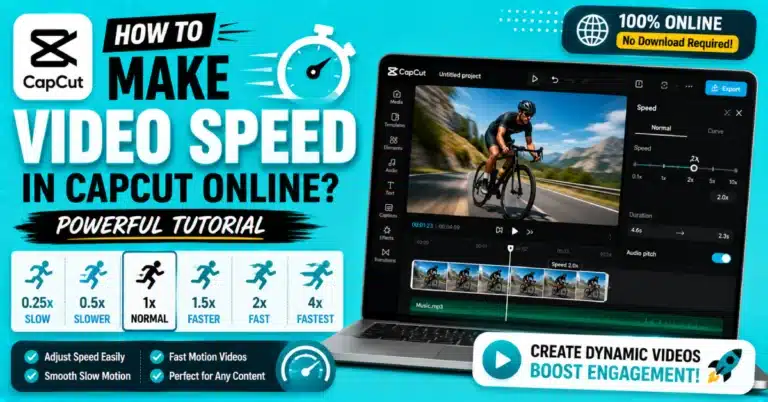
Viral slow motion is probably the strongest style showing up across current trend collections, with some designs pulling genuinely massive usage numbers. Works well for travel clips, fashion, sports, cars, portraits, emotional moments — anywhere drama helps. Feed it footage with real, natural movement that lines up with the music; random static clips don’t hold up as well once slowed down.
Cinematic templates aim for a more polished look overall — smooth transitions, color shifts, slower deliberate movement, carefully timed cuts. Solid fits for travel content, cars, fashion, nature shots, and personal storytelling generally.
New TikTok focused templates remain a big category since the platform’s still central to short-form editing. Look for quick pacing and simple, uncluttered text — and remember your opening clip needs to be interesting enough on its own to stop someone mid-scroll.
Photo templates don’t require video footage at all — string a handful of photos together with music, transitions, movement, and text, and you’ve got a short video without touching a full timeline build. Great for birthdays, travel memories, friendships, family moments, and general life updates.
2026-themed templates built around year comparisons, new year edits, personal recap content, and photo collections are also part of the current library — useful if you’re putting together a yearly wrap-up or documenting change over time.
Actually Finding These Templates
Getting to them is pretty direct through CapCut’s own template section.
Open the latest version of the app and head into Templates. From there, browse whatever’s currently flagged as new or trending, or just search directly — “slow motion,” “TikTok,” “cinematic,” “photo edit,” “transition,” or “2026 trend” all work as decent search terms.
Before picking anything, watch the full preview — check clip count, timing, the music used, and whatever visual effects are baked in. Confirm the media requirements too, since some templates want just one photo while others need a dozen-plus clips.
Once you’ve settled on something, select it, swap in your own photos or videos in place of the placeholder media, and give the whole thing one more full watch — checking crop, text, timing, and transitions — before you actually export. CapCut also maintains a separate online template library if you’d rather browse trending categories from a browser instead of the app itself.
Picking the Right One for Your Content
Usage count alone isn’t a great filter. First, actually check whether the style fits what you’re making — a fast-cut transition template probably won’t suit a slow, calm travel video, and a moody cinematic design isn’t going to serve high-energy sports footage well either.
Clip count matters too. If you’ve only got three genuinely good clips, a template demanding fifteen just makes your job harder for no real benefit. Music’s worth a look as well, since some templates are built specifically around one track — confirm that sound actually fits your platform and content type before committing. And check how much screen real estate the text takes up; some designs run large animated text that can cover more of your footage than you’d want.
Making a Trending Template Feel Less Generic
Here’s the thing. Popular templates get used by thousands of people. No wonder videos start looking alike. Make a few thoughtful changes, and your version can feel much more original.
Swap out every bit of placeholder media for your actual best clips — don’t just throw in random photos purely because the template demands a certain number. Rewrite the text so it reflects your own story rather than leaving whatever generic message shipped with the design. Where the template allows it, adjust colors, fonts, or timing too.
The goal isn’t rebuilding the template from scratch — it’s using its structure as scaffolding while making sure your own idea is what actually comes through.
For TikTok Specifically
Your opening seconds carry enormous weight here — that’s genuinely what decides whether someone keeps watching or scrolls past. Favor templates with quick movement, clear text, and simple transitions, and hold back on stacking extra effects if your source footage is already busy with motion — a cleaner edit tends to read better than an overloaded one.
Double-check your vertical framing too — keep faces, products, and important text clear of wherever TikTok’s own interface buttons tend to sit.
For Instagram Reels
Photo, fashion, travel, lifestyle, and cinematic templates all tend to land well here. Where possible, pick clips with similar color tones or lighting — it makes the finished video read as more cohesive rather than stitched together from mismatched sources.
Before exporting, check that the template’s crop hasn’t chopped off anything important from your photos or footage.
For YouTube Shorts
Vertical templates work well here too — lean toward ones with clear pacing and readable text, and be wary of anything with a ton of rapid transitions if you’re doing anything educational or story-driven, since that pacing can make content genuinely harder to follow.
Whatever you’re making, it should have a clear purpose behind it — the template’s there to support that idea, not replace it entirely.
Are These Actually Free to Use?
A large share of them, yes — CapCut’s free template library is genuinely extensive, and the official collections are described as customizable across a wide range of social and personal-use designs. That said, what’s available can change. Certain features, assets, or specific templates may differ by region, device, account, or app version. Check inside the app first before building your whole project around one.
When a Template You Wanted Just Isn’t There
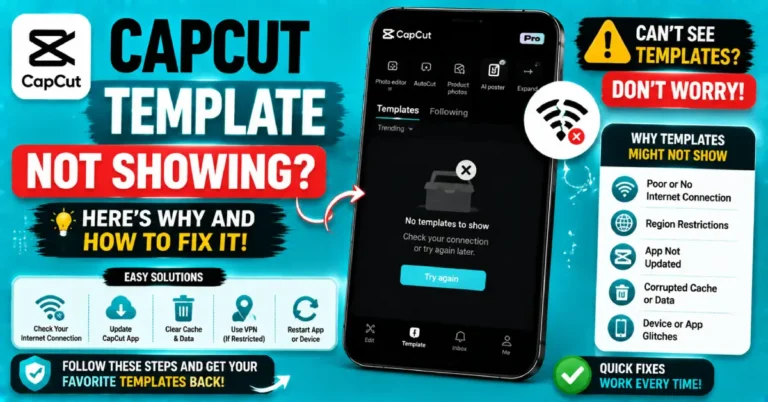
Sometimes a specific design you were hoping to use just won’t show up. Usually it’s one of a few things — it’s been removed or replaced, it’s not available in your region, your app version’s out of sync, or it needs a feature your device doesn’t currently support.
Start by updating CapCut, then check your connection and search again. If the exact template’s genuinely gone, it’s worth searching for a similar style instead — the library shifts constantly, so a comparable design is often still floating around even after one specific template disappears.
Getting Better Results Overall
Here’s the thing. Good source material matters. Use quality photos and video, pick clips that match the template’s timing, and don’t hide your best footage at the end.Swap generic text for something tied to your actual story, and go easy on unrelated effects that don’t serve the content.
Always watch the whole thing before exporting, and give it one more look on your actual phone before you post — screens differ, and it’s the easiest way to catch something you missed on a bigger display. Above all, don’t lean entirely on the template doing the work — your own footage and idea should still be what carries the video.
Bottom Line
A new trend CapCut template gives beginners and regular creators a shortcut. You can put together TikToks, Reels or Shorts with work. The biggest areas of activity now are slow motion, cinematic edits, TikTok-native trends, photo-based videos and 2026-themed designs.
Treat any trending template as a launchpad, not a finished product — pick something that actually fits your content, replace the placeholder media with your own footage, adjust the text, and add something genuinely yours before it goes out. For whatever’s newest, CapCut’s official template library is worth checking directly to see what’s currently trending.