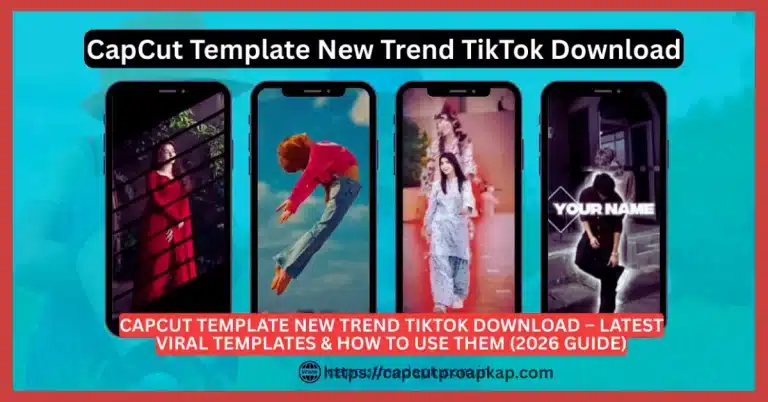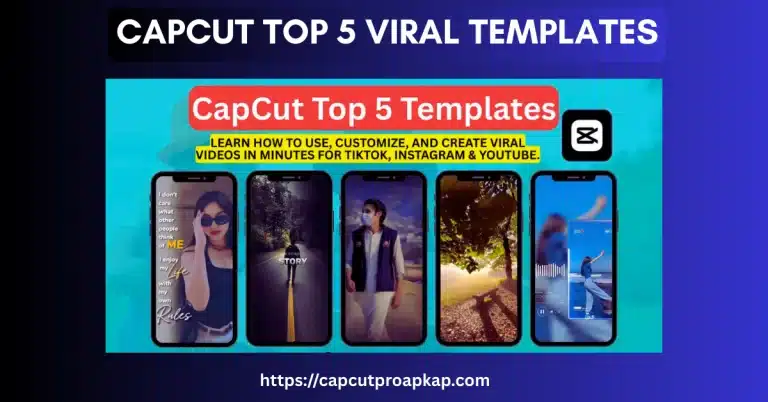
Trending CapCut Templates Worth Trying in 2026
If your camera roll is full of clips you keep meaning to edit “this weekend,” a trending CapCut templates are probably the fastest way to actually finish something. Instead of building a timeline from scratch — figuring out transitions, matching music to cuts, timing text animations — you drop your own photos or footage into a design someone else has already built and refined.
The appeal is pretty simple. Templates are all over TikTok, Reels and YouTube Shorts now. They make editing and give people who are just starting out a chance to see what goes into a good short video.
Trends change fast. CapCut refreshes its template library constantly, so a popular choice today may not feel fresh later. The smarter approach is to know which categories work well and match one to your available footage.

So what counts as a trending CapCut templates?
Basically, it’s a pre-built editing recipe — transitions, effects, background music, text animations, pacing — that’s currently getting a lot of use inside the app. You swap out the placeholder photos or clips for your own, and CapCut applies all the editing decisions automatically. The final video can look fully produced, even if you never touched a single transition curve yourself.
A search does not always give the templates to everyone. What you see can depend on your region, account, device or app version. Do not be surprised if another person’s results look different from yours.
Why people keep reaching for these
Time, mostly. A normal edit means trimming footage, picking transitions, syncing audio, writing and animating text, adjusting every single scene by hand. A template hands you most of that structure already finished.
It also flattens the learning curve. If you’re still figuring out how CapCut works, opening a template and watching how the pieces — music, clips, effects, timing — fit together teaches you more than any tutorial video will.
Then there’s the speed of the media itself. TikTok and Reels reward posting but creators who post often don’t always have time to build every video from scratch.A solid template lets you keep the publishing schedule up without sacrificing quality entirely.
That said — and this matters — a trending template won’t make a boring video interesting. Your hook, your topic, your actual footage still carry the weight. The template is scaffolding, not a substitute for having something worth watching.
A few template styles that are actually worth your time
There’s no permanent “top 10” here because things shift too fast, but a handful of categories have stayed reliably useful.
Slow motion. Works best with movement — travel shots, sports, cars, fashion, anything with a bit of drama built in. A completely static clip tends to fall flat when slowed way down, so save this one for footage that’s already got some motion in it.
Velocity edits. These shift speed at different points in the clip, often timed to hit on the beat of the music. Great for dance videos, action footage, anything where the audience should feel the rhythm change. Again — you need visible movement for the speed shifts to actually register.
Cinematic. The effect isn’t just about transitions. Color grading and pacing matter too. When your source footage already has decent lighting and composition, these elements can push it toward a more professional finish. If the underlying footage is weak, though, cinematic templates tend to expose that rather than hide it.
Photo-based. No video required — just a set of images stitched together with music, transitions, and text. This style is a choice for birthdays, holidays, travel recaps and anything that feels nostalgic. I suggest you try to use photos that have lighting and photo quality. If the photos do not match the final video might look messy.
What makes transitions work well? Movement. They’re great for combining short clips from one event or trip, especially when the footage has similar motion. That makes each transition look cleaner.
Beat sync. Cuts and effects are timed to the music itself. These work best when your footage has enough visual energy to match the beat — otherwise the syncing just feels arbitrary.
Platform-specific picks. TikTok templates lean toward quick cuts and bold text — remember, your first two or three seconds still have to earn the rest of the watch time no matter how good the template is. Reels does well with travel, fashion, and cinematic styles, but double-check your crop before exporting so your subject doesn’t get cut out of frame. Shorts is flexible too: fast and punchy for entertainment content, cleaner and calmer for anything educational or story-driven.
Actually finding a template worth using
Thats the place I’d look. Open. Head to Templates if the tab is available in your version. Browse trending or recommended options then search for a style if needed, such as “velocity,” “cinematic,” or “photo slideshow.”
Before committing to one, check the details: how many clips it needs, the total length, what music it uses. Preview the whole thing before you touch your own media — it’s much easier to bail on a template at this stage than after you’ve already dropped in your footage.
Once you’re happy with it, select it, follow the prompts to swap in your own clips or photos, and give the final result one full watch-through — cropping, captions, timing, audio — before you export.
There’s also a browsable version of the CapCut template library online if you’d rather look through options on desktop first.
Picking the right one for your footage
Don’t just grab whatever has the highest use count. Start with what you’re actually making. Travel content usually suits cinematic or photo templates better than something built for meme-speed cuts. Sports or action footage tends to pair better with velocity or beat-synced designs.
Check the clip count too — a template built around fifteen separate clips isn’t going to work if you’ve only got four decent takes. And pay attention to the music requirement; some templates are built entirely around one specific song, which might not be the vibe (or the rights situation) you want for your platform.
Making a popular template feel like yours
The obvious downside of any trending template is that a lot of other people are using the exact same one. A few small changes go a long way toward avoiding the “I’ve seen this exact video eleven times today” feeling:
- Use your strongest footage, not just whatever fills the slots
- Rewrite the text so it’s actually about your story, not the generic placeholder copy
- Tweak colors, fonts, or timing if the template allows it
- Cut anything — an effect, a transition, a beat — that doesn’t fit what you’re making
Here is a point. Do not treat the template as a product. Use the template structure to shape the template around your own message.
Cost and availability
Most CapCut templates don’t carry a separate fee, but what’s available to you specifically can depend on your account, region, platform, and app version — so don’t assume every template you scroll past is unlocked for you. If one requires a premium asset or feature, CapCut will usually flag that before you get too far in.
Can’t find a template you saw before?
It happens. Templates get removed, replaced, or restricted to certain regions fairly often, and your app version affects what shows up too. First move: update the app and check your connection, then try searching with a couple of different related terms.
If it’s genuinely gone, don’t stress too much — most trends have multiple versions floating around, so there’s usually something close enough to what you were after.
Keeping it from looking like everyone else’s video
A template can carry the technical side of editing, but it can’t give your video a reason to exist. A few things that help:
Pick footage that actually tells a story rather than just filling every slot the template gives you. Keep text short. Lead with your strongest clip. Cut effects you don’t need just because the template included them. Make sure the music actually fits the mood of what you’re showing.
Mostly, just add something the template can’t provide on its own — your own voice, your own footage, an editing choice that’s actually yours.
If a template won’t load or work right
A few things can cause this. Your internet connection may be unstable. The app might need an update. Or the template could be region-locked. It’s worth checking all three before moving on.
- Update CapCut to the current version
- Check your connection
- Restart the app
- Clear up some storage space if you’re running low
- Try a different template to see if the issue is template-specific
- Confirm the template’s actually available where you are
- Make sure your device supports whatever feature the template needs
Honestly, if other templates are working without any trouble, don’t assume you’ve done something wrong. This particular template may be the problem.
Last few tips
Start with quality footage. Then grab attention early by placing your best moment near the front. Keep effects limited, proofread the text, and make sure captions can be read quickly. Watch the full video before export, then choose the correct settings.
What is a mistake to make? Reusing the template too many times. If you post the template five times without changing anything meaningful, even a great template can start feeling old.
Bottom line
CapCut’s trending templates are a legitimate shortcut — slow motion, velocity, cinematic, photo, transitions, beat sync, whatever fits your content — but they work best as a starting point rather than the finished product. Still using everything the template gives you? Take another look. Replace the footage, rewrite the text, adjust the details, and cut anything that feels unnecessary.
The latest thing today might not stay popular for long. That is why looking at CapCut often makes sense. When you want a style go through the official CapCut template library for what is popular now.